Vonod khanna
New Delhi [India], August 25: Vriddhi Media, a Delhi-based organic growth and ORM firm, is expanding its work across the recommendation layer. For years, D2C growth followed a formula: Performance marketing, SEO, CAC, ROAS, repeat. But the way people discover brands is changing. AI recommendations are adding a new layer to the old Google-led playbook.
Moz analysed roughly 40,000 queries and found 88% of Google AI Mode citations did not match URLs in the top 10. For growth teams judging visibility through page-one rankings, that is an awkward statistic.
The question is shifting from “Where do we rank?” to “Where are people discovering and recommending us?”
From search rankings to recommendation systems
Think about Netflix. You get a shortlist: “Because you watched this,” “Trending,” “You might like.” Discovery has moved from finding everything to deciding what deserves attention.
Shopping is starting to work similarly. Ask ChatGPT which sunscreen, watch or nutrition product to consider, and you are not asking for ten blue links. You want a decision shortcut.
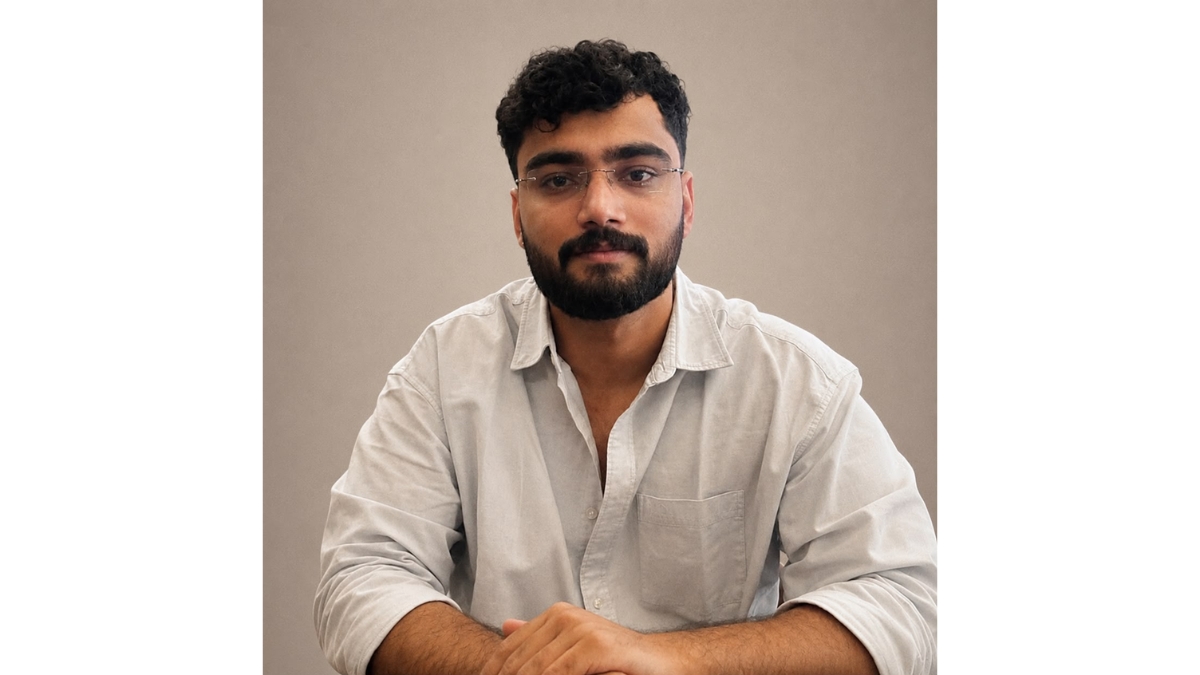
That is the opportunity Rishabh Nanda, founder of Delhi-based Vriddhi Media, has pursued for 5 years through online recommendation channels, reputation management and organic discovery. The firm has worked with more than 100 D2C brands across skincare, nutrition, luxury watches and consumables, according to Vriddhi.
Nanda, who has a finance background, sees the shift less as a creative problem than an acquisition blind spot.
“Building organic funnels can be an uphill battle, but it’s different from performance marketing. When you stop spending, the progress doesn’t simply reset. You keep building on what you’ve already created,” Rishabh said.
Paid media, then, is not disappearing. It is being joined by another discovery layer.
The web outside page one is suddenly interesting
Ahrefs studied 75,000 brands and found that those in the top quarter for web mentions received up to 10 times more mentions in Google AI Overviews than those in the next group.
The study also found that 26% of brands received no mentions at all.
The key takeaway: What people say about a brand beyond its website may matter almost as much as what the brand says about itself. A shopper might encounter articles, videos, comparisons, or community discussions before ever reaching a brand page.
There is no single recommendation playbook
This is where things get messy.
Conductor’s seven-month analysis tracked recommendations across seven major AI platforms, finding persistent differences in their preferred sources.
Separate studies put overlap between domains cited by ChatGPT and Perplexity at roughly 11% to 12%. Methodologies differ, so a range is more defensible than one definitive number.
For marketers, the implication is simple: Winning one surface does not automatically win another.
Research may lean toward editorial sources, comparison can depend on independent discussion, while final evaluation can return to brand-owned information.
What Vriddhi says it actually does
Vriddhi says its work connects these surfaces by mapping buyer questions, finding where they are answered, strengthening relevant third-party references, and monitoring how these systems describe products.
The company says its organic system generates nearly 500,000 monthly impressions without paid distribution. It also says its work has touched around 80% of India’s skincare market and facilitated business close to ₹500 crore over the past year.
Where recommendation becomes manipulation?
The obvious question: When does participation become manipulation?
Nanda says the distinction lies in usefulness. The aim, he argues, is to build credible information where consumers seek answers rather than manufacture artificial praise to influence a machine.
A citation is simply the source behind an answer. An answer engine goes a step further than traditional search by putting those sources together and giving the shopper a recommendation.
The numbers need a reality check
The shift is still relatively small. Shopify’s Q1 2026 data found AI-referred product-page sessions converted nearly 50% better than organic search and produced 14% higher average order values, while organic search remained the larger traffic source.
That matters, but it is not a reason to abandon paid media or Google. It is a reason to build another route into the buying journey.
The Indian D2C calculation
For Indian brands facing rising acquisition costs, the attraction is less about replacing paid media and more about compounding.
A campaign stops producing demand when spending stops. Useful articles, discussions, recommendations, or references can remain discoverable long after the original effort.
It does not make performance marketing obsolete. It makes the acquisition map bigger.
The next fight may happen before the click
Whether Vriddhi can turn this emerging layer into a durable business remains to be seen. But the shift is already visible.
Consumers are increasingly asking platforms to narrow their choices.
For D2C brands, the first page may no longer be the finish line. It may not even be where the decision begins.
If you object to the content of this press release, please notify us at pr.error.rectification@gmail.com. We will respond and rectify the situation within 24 hours.